
Integrating Wearable Technology Into Your Mobile Health App
Nothing on this advertisement should be taken as legal advice for any individual case or situation. This information is not intended to create, and receipt or viewing does not constitute, an attorney-client relationship. The hiring of a lawyer is an important decision and one that should not be based solely on advertising.

What’s the Difference Between Android and Apple Watch App Development?
The wearable devices segment is expected to grow at the fastest CAGR over the forecast period. According to the IDC report, India’s wearable market experienced a 34% growth in 2023, with 134.2 million units sold, and smartwatch shipments increased by 74% year-over-year to reach 53.2 million units. Mobile phone integration, wireless connection, and long battery life are among the key features that users seek in a wearable device. Moreover, rapid advancements in the designs of these wearables are propelling their demand best fitness apps for weight loss 2026 in the market. As of Q4 2023, Android smartphones accounted for 56% of global smartphone sales (Backlinko). The iOS segment led the fitness app industry, accounting for the largest revenue share of 51.99% in 2025.
Conclusion: Innovate, Integrate, and Elevate with iCoderz
In addition to our personal experience and expertise, here are the main factors we used to evaluate each workout app. When I tried out this app, I signed up for a kettlebell class called Body & Bell, and what’s great is you get video demonstrations for the different exercises you’ll be doing. The videos also tell you the type of weight you should be using (light, medium, heavy) and the length of time of the exercise. You can also connect with your coach via the chat in the app if you ever have questions about your training or want to chat with other members on your team. If you opt for the all-access membership, it costs $50 a month and can be used whether you own the bike, treadmill or rower.
- Other apps may restrict access to historical data if you cancel premium.
- The user can quickly compute and check the insights gathered by GPS data.
- Many doctors note, however, that if you are feeling anxious about your sleep, using a fitness tracker may add to your anxiety.
- Smartwatches, fitness trackers, and smart apparel are popular fitness wearables that collect data to track activity, sleep, and even physiological signs.
- If you’re thinking of developing a fitness app for Android/iOS or wearables like the Apple Watch, you should take a page out of the collective books of the most popular apps available.
- Ongoing costs include API fees, cloud hosting ($1,000-$10,000/month), maintenance ($20,000-$60,000/year), and new device support ($5,000-$15,000 per device annually).
Use Cases: When Wearable Integration Makes or Breaks Your App
This allows consumers to make more educated decisions about their workouts, sleep hygiene, and overall health. They use a variety of sensors, including accelerometers, gyroscopes, and heart rate monitors, to carefully measure our movements, activity levels, and physiological responses. This vast data stream reveals significant information about our daily steps, distance traveled, calories burned, and even sleep patterns. Fitness wearable technology is the foundation of this dynamic combo of apps and user experiences. These modest devices, which can occur in wristbands, smartwatches, or even garments with embedded sensors, are tireless data collectors.
Seamless Integration with Other Devices and Platforms
In factories and warehouses, wearables improve worker safety and productivity. AR smart glasses display hands‑free instructions, checklists, and maintenance manuals, reducing errors and training time. For example, Boeing uses AR glasses to guide technicians through complex aircraft assembly, resulting in higher accuracy. Wearable bands track worker location, detect hazardous conditions, and monitor vital signs to prevent accidents. The versatility of wearables means applications span several industries.
It will cost more compared with other apps but will be cheaper than a standard personal training session at the gym. Now you have access to various workout programs that can be done at home or in the gym, such as yoga, strength and Pilates, all taught by different women personal trainers. The app also offers meal plan options if you’re looking for healthy recipe ideas. It also connects you to friends on the app who can cheer you on or comment on your posts that get uploaded to your Strava feed after your workout. If you prefer to keep your data and running routes private, you can also make those changes through your settings via the app.
Challenges of Integrating Fitness Apps with Wearable Technology
The fitness apps industry in MEA is anticipated to register considerable growth during the forecast period. Fitness apps are revolutionizing healthcare in the MEA, facilitated by improved internet connectivity and government initiatives. Wearable devices, mHealth apps, and Artificial Intelligence (AI) are key trends transforming healthcare access, costs, & outcomes. Despite challenges in improving infrastructure, affordability, and data privacy, the potential of fitness apps to improve MEA healthcare is substantial.
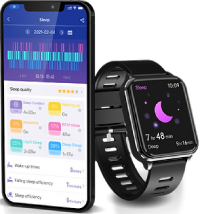
Smartwatch Penetration: 1 in 4 Adults in the U.S. Owns a Smartwatch or Fitness Tracker
Nobody wants to fiddle with an app that lags or messes up data sync. So, if you’ve been buried under the challenge of wearable sync, keep reading. This isn’t theoretical fluff; it’s grounded in hands-on experience.
Application Development
Some advanced devices can even detect early signs of diseases like Parkinson’s or Alzheimer’s. If you’re an employer, consider incorporating wearables into your wellness initiatives. Providing incentives for step counts, heart rate monitoring, or sleep tracking can encourage employees to take better care of their health.
User Engagement Metrics for Health & Fitness App Companies
By clicking below to submit this form, you acknowledge that the information you provide will be transferred to MailChimp for processing in accordance with their Privacy Policy and Terms. When you get 94.4% sustained engagement using A Step Ahead™, you’ll have happier, healthier employees that cost you less.
What are the essential features of a fitness app in 2026?
AR glasses and mixed reality headsets will move beyond entertainment into enterprise, healthcare, e-learning, and education. Surgeons may use AR overlays for guidance during procedures, while retailers deploy AR to enhance in‑store shopping. The convergence of AR, AI, and IoT creates opportunities for contextual assistance and immersive training. Apps must optimize resource usage through efficient code, dark theme, and on‑device processing to minimize energy consumption. These controls enhance accessibility and safety, especially when users are exercising or driving.
All this happens when the person is performing an activity or working out. It immediately syncs the user’s data with the settings of the gym equipment. Anonymization transforms raw data into insights without exposing identities. A fitness startup can still use aggregated performance patterns to inform product development or form partnerships for corporate wellness. Normalized health data creates the groundwork for intelligent features. Personalized recommendations and AI-driven insights all require reliable, clean input.

