
Alcohol use: Weighing risks and benefits
Suppose that same gene also raises their risk of getting heart disease. If that gene is the reason nondrinkers have more heart disease than people who take a drink a day, then people without that gene would get no heart benefits from taking a drink a day. Based on these results, the current Dietary Guidelines for Americans recommend drinking only in moderation, if at all. Other authoritative organizations — such as the CDC and the American Heart Association — have echoed this advice. However, none of these guidelines recommend moderate drinking as a way of protecting against heart disease, because observational studies cannot prove the value of a drug or a practice, such as moderate drinking. This is all keeping in mind that moderate alcohol consumption and moderation management programs aren’t appropriate for those groups we already listed above.

Refilling medications
Understand the world with a daily explainer, plus the most compelling stories of the day. The fifth post discusses concrete steps you can take to be successful at moderating your drinking. Create healthy, balanced meals using this visual guide as a blueprint.
Heavy drinking: 8+ drinks per week
Our daily research-backed readings teach you the neuroscience of alcohol, and our in-app Toolkit provides the resources and activities you need to navigate each challenge. But with heavy consumption, the balance shifts, leading to many disruptions in the body. In the United States, people younger than age 21 are not legally able to drink alcohol. Guidelines for moderate drinking have been set by the US Department of Health and can an alcoholic drink in moderation Human Services and the World Health Organization. Showing your patients a standard drink chart (printable here PDF – 184 KB) will help inform them about drink equivalents and may help your patients estimate their consumption more accurately. Each drink shown above represent one U.S. standard drink and has an equivalent amount (0.6 fluid ounces) of “pure” ethanol.
Other chronic diseases
For instance, a standard drink can be exemplified by a 5-ounce glass of wine, which typically contains around 12% alcohol by volume, or a 12-ounce beer with approximately 5% alcohol content. When discussing what constitutes a moderate amount of alcohol, health guidelines consistently emphasize daily limits to minimize risks to physical and mental well-being. According to widely accepted recommendations, women should limit themselves to 1 drink per day, while men should cap their intake at 2 drinks per day. These limits are based on extensive research showing that exceeding these amounts increases the risk of health issues such as liver disease, cardiovascular problems, and certain cancers.
Science around Moderate Alcohol Consumption

Despite these general guidelines, the definition of moderate drinking can vary based on individual factors such as age, health status, and medication use. Binge drinking, which raises blood alcohol concentration levels to 0.08% or higher, significantly increases the risk of short-term harm, regardless of the weekly average consumption. For women, this typically means four or more drinks in about two hours, and for men, it’s five or more. In summary, defining a moderate amount of alcohol is not one-size-fits-all; it varies based on age, weight, health, and medications. Younger individuals may metabolize alcohol differently than older adults, while weight influences how alcohol is distributed in the body. Health conditions can dictate stricter limits, and medications often introduce risks that necessitate reduced or eliminated alcohol consumption.
- Additionally, body composition, such as the percentage of fat and muscle, can further influence alcohol absorption and peak blood alcohol levels.
- Additionally, maintaining a healthy lifestyle, including a balanced diet, regular exercise, and not smoking, is crucial to enhancing overall health and reducing the risk of alcohol-related harms.
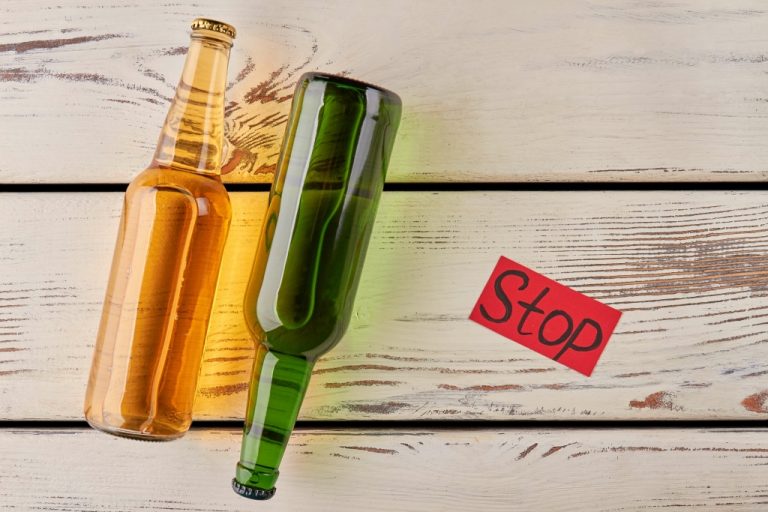
The risk of harm is not only related to the amount of alcohol consumed but also to the speed and frequency of drinking. Binge drinking can also lead to unintentional injuries, violence, chronic diseases, cancer, and alcohol dependence. Additionally, women who engage in binge drinking may face social and emotional repercussions, affecting their relationships and mental health. When discussing what constitutes a drink, it’s essential to clarify the standard measurements that define a single serving of alcohol.
Most people who drink do so in moderation; for those people, the jury remains out regarding the health risks and still possible benefits of consuming one drink per day. For health considerations, the definition of moderate drinking does not allow saving up your daily allotment of drinks for a single weekend night. Drinking four or more drinks in one sitting for women, or https://katayounsoumi.com/how-to-certify-a-sober-house-in-massachusetts-a-2/ five or more drinks for men is considered binge drinking.
Effects of short-term alcohol use
The CDC also defines binge drinking, which can lead to an array of health issues. A man who has 5 or more drinks over the course of 2 hours or less has been binge drinking. Knowing what counts as a heavy drinking day—4 or more drinks for women and 5 or more for men—can be clinically useful in two ways. Substance abuse If you or someone you know is struggling with heavy drinking or alcohol dependence, it is important to seek professional help.
A drink before a meal can improve digestion or offer a soothing respite at the end of a stressful day; the occasional drink with friends can be a social tonic. These physical and social effects may also contribute to health and well-being. Excessive alcohol use is a term used to describe four ways that people drink alcohol that can negatively impact health.
Follow NCOA on Social Media:
Empowerment through knowledge transforms drinking from a mindless habit into a conscious choice, leading to healthier lifestyle decisions and improved quality of life. Listening to one’s body is crucial when considering alcohol consumption. Every woman’s experience with alcohol can differ widely, depending on various lifestyle factors and health conditions. It’s essential to recognize when consumption may start to feel excessive or potentially harmful. If drinking is leading to negative physical or mental health effects, it might be time to reassess and perhaps even seek guidance from healthcare professionals.
However, half of all alcohol-attributable cancers in the WHO European Region are caused by “light” and “moderate” alcohol consumption. This drinking pattern is responsible for the majority of alcohol-attributable breast cancers in women, with the highest burden observed in countries in the European Union. It is well established that alcohol misuse—including binge drinking and heavy alcohol use—increases the risk of many short- and long-term consequences. These consequences range from accidental injuries to worsened mental and physical health conditions to death.

